
This is Agnes Bojaxhiu, the future St. Mother Teresa. At 18, leaving Albania by boat for Ireland, she wrote to people back home, “Pray for your missionary, that Jesus may help her to save as many immortal souls as possible from the darkness of unbelief” (Come Be My Light, 15). She experienced the light of Jesus, that is, peace and joy, but progressively started experiencing darkness herself.
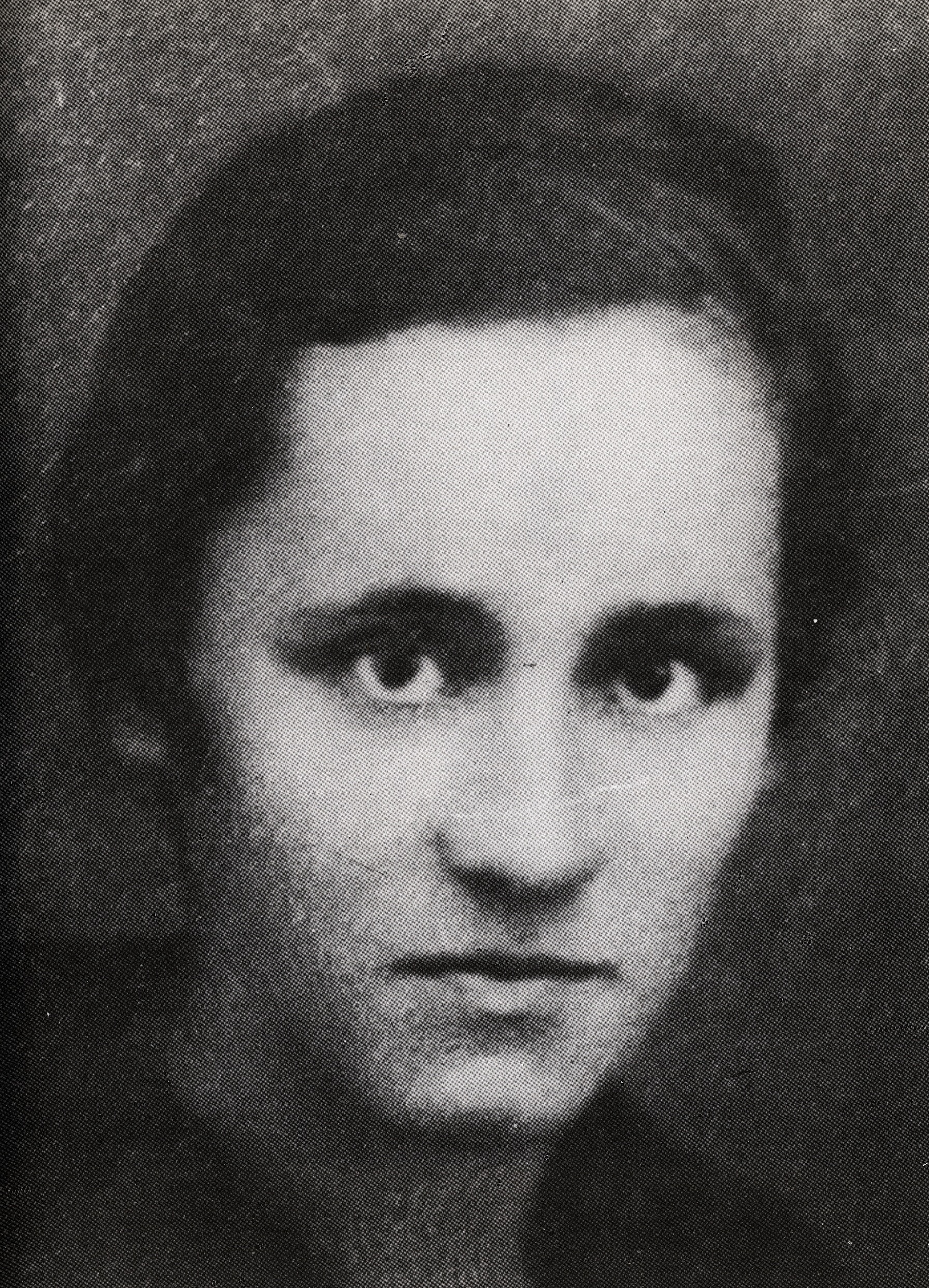
Agnes Bojaxhiu
For 20 years, she was exceedingly happy as a Loreto sister, but Jesus gave her a new calling: to serve the poorest of the poor: “Come, come, carry Me into the holes of the poor. Come, be My light” (44).
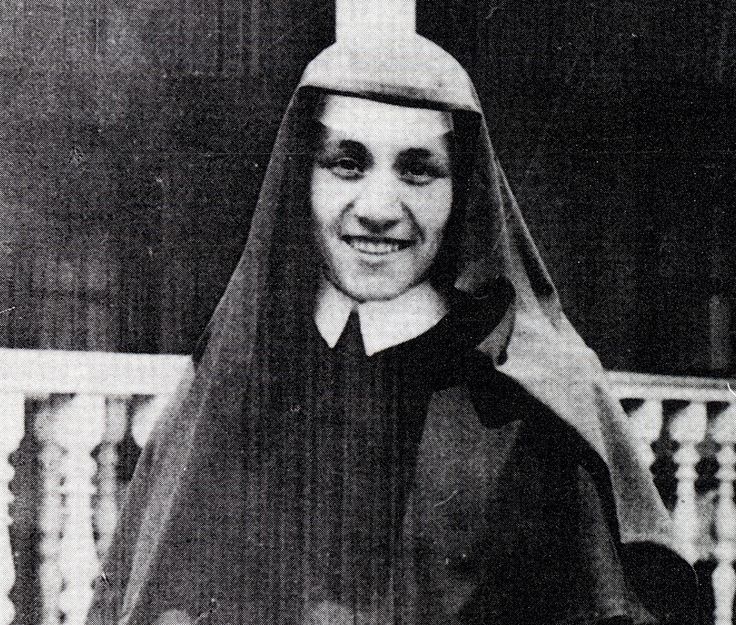
Sr. Teresa, of the Sisters of Loretto. (CNS photo courtesy Missionaries of Charity)
As she was saving others and giving them light, she was going through a normal stage of spiritual purification. She wrote, “Since [19]49… this untold darkness—this loneliness… gives me that pain deep down… There is no God in me.—When the pain of longing is so great—I just long & long for God—and then it is that I feel—He does not want me—He is not there… The torture and pain I can’t explain” (210), and later, “If I ever become a saint—I will surely be one of ‘darkness.’ I will continually… light the light of those in darkness on earth” (230).
We’ll explain more later, but this isn’t depression, burnout, or being spiritually far from God. This is the normal stage of being purified in love, where we feel far from God and just hold on to Him by love. Jesus felt this way on the Cross: He was always with the Father, but felt abandoned by Him. Question: Would we want to go through this darkness if we could bring that kind of light to people? For most of us, we’d probably say, ‘I’ll take a little darkness, but not too much.’
The First Reading says, “Arise, shine, for your light has come, and the glory of the Lord has risen upon you! For darkness shall cover the earth, and thick darkness the peoples… Nations shall come to your light… they come to you… Then you shall see and be radiant; your heart shall thrill and rejoice” (Isa 60:1-5). This text from Isaiah was written over 500 years before Jesus but refers to Him: He is the light of the world, and non-Jewish people like ourselves go to Him and find meaning, happiness, and life in Him.
Sometimes Jesus’ light is very gentle: We see that we are good, are loved, that our life and suffering have a purpose. Other times, His light can overwhelm. Why do we sometimes cry during weddings? Because the love is too much to handle—this reality is the key to understanding Mother Teresa’s spiritual darkness. We sometimes cry when someone finally tells us that they love us, when we get a gift, when we win a championship. Five years ago, I saw this fan reaction video to Luke Skywalker returning—adult men were crying—it was hilarious!
St. John of the Cross says that when God’s light shines brightly in us, we experience it as darkness. Similar to looking at the sun, it overwhelms us (Ascent of Mount Carmel, 2,3,1).
This is what happened to St. Teresa: God, Who is infinite love, was shining so brightly that it was too much for her because she still had small sins. He was clearly with her, which is why people who met her felt like they were meeting God, but His light was overwhelming her soul.
And here’s a beautiful truth: Jesus adapts His light based on what’s good for us. The Gospel says, “In the time of King Herod, after Jesus was born in Bethlehem… wise men from the East came to Jerusalem, asking, ‘Where is the child who has been born king of the Jews? For we observed his star at its rising, and have come to pay him homage’” (Mt 2:1-2). As mentioned in previous years, everyone in that region could see the light in the sky. God sent a small light to respect people’s freedom: Many didn’t respond, but the wise men were moved; they wanted to meet the Saviour of the world, and so interrupted their lives, and took a two-month journey there and back!
“They set out; and there, ahead of them, went the star… until it stopped over the place where the child was… They were overwhelmed with joy. On entering the house, they saw the child with Mary his mother; and they knelt down and paid him homage” (2:9-11). When we first encounter Jesus, we rejoice because He brings us to God the Father and makes our lives beautiful! But then He wants more for us. St. John of the Cross uses this image: “God [first] nurtures and caresses the soul… like a loving mother who… nurses it with good milk… and carries… it in her arms. But as the child grows older, the mother withholds her caresses… and sets the child down from her arms, letting it walk on its own feet so that it may put aside the habits of childhood and grow accustomed to greater… things” (The Dark Night, 1,1,2). This is another explanation of spiritual darkness. At the beginning of our relationship with Jesus, we experience spiritual highs during adoration, Confession, Alpha, Faith Studies. But, once we start to serve Him and others, He takes away the highs so that we mature, otherwise, our love is only based on feelings.
At the beginning of this year, God is shining a light for each of us and for everyone in our life, and many are looking for that light.
As we’ve done for years, we have our 11:02 Prayer Cards in the pews—could you please pull them out? Thank you. In Luke 11:2, the disciples ask Jesus how to pray and He teaches them the Our Father. So, we write down the names of people we know who haven’t yet met Jesus, set an alarm to pray for them daily at 11:02 a.m. or p.m., and then invite them to Alpha, starting on March 26. 2026. During the collection, please place the cards into the basket and we’ll put them underneath the altar so that, whenever we offer Mass, we’ll be praying for them. Of course, this means we need to remember or write down those names!
During his first week of teaching at a Catholic high school, Fr. Larry Richards had a student named Justin Fatica, who had his feet on the desk with his hands behind his head.
Fr. Larry Richards
Father shouted, ‘You get your feet off that desk right now!’ Justin said, ‘You say, “please.”’ So Fr. Larry literally threw him out. They would trade insults for the next short while until Fr. Larry started organizing a retreat. During prayer, God told Fr. Larry, ‘I want you to invite Justin to make [the] retreat.’ He said ‘I can’t stand him, God.’ After five days of resisting, Fr. Larry said, ‘Hey, Fatica… do you want to come on the… retreat?’ He declined then showed up, and had such a powerful encounter with Jesus that he became a full-time evangelist and youth speaker (Fr. Larry Richards, Be a Man, 185-188). Fr. Larry always writes down his enemies’ names on his prayer list, then prays for them, and invites them.
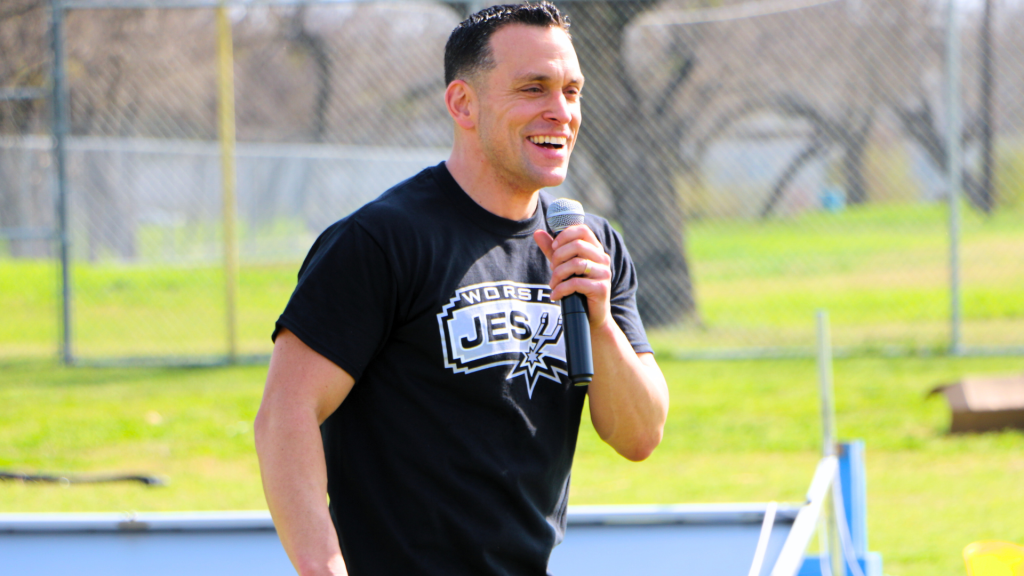
Justin Fatica
As I’ve suggested, in general, focus on inviting people to Alpha, not Mass. The spiritual light of the Mass may be too bright—it was for me when I was a teenager. Most people don’t have spiritual conversions during Mass. The three occasions that most help people are adoration, Confession, and prayer ministry (Michael Hall, Intentional Accompaniment, 58-59). Just as most of us don’t want too much light, similar to what Mother Teresa received, so most people would benefit more from the food, videos, and conversation at Alpha.
Let’s respond as best we can to Jesus’ invitation, ‘Come be My light.’