Have you ever noticed that some people are good at everything? In school, I saw some students who got great grades in every subject, were good at sports, played an instrument—everyone liked them. I felt envious because I wanted to be like them. I got mainly Bs, wasn’t great at any sport, didn’t get far in piano, and wasn’t popular.
In high school, after I experienced Jesus’ love for me and gave my life to Him, I wanted to do my best at everything, for His sake. I stopped showing up late, stopped swearing, started studying hard, spent more hours at tennis, went to church three times a week, and tried to be kind to everyone. I was captivated by Jesus’ way of living, and I wanted to love God and others the way He did. Every aspect of my life improved.
Today’s homily is about fulfilling the potential God gave us, to reach our goal in life, to be a saint. Nov. 1st is the solemnity of All Saints, when we celebrate those who fulfilled the potential God gave them: They loved God and neighbour in heroic ways, always strove for the best, and never did anything half-hearted.
The First Reading is from the Book of Revelation, one of the last books of the New Testament to be written, around 95 A.D. Because the author, John, was proclaiming Jesus, he was exiled to the island Patmos. He was writing to seven churches in modern-day Turkey, some of whom were persecuted for following Jesus. Because they were harassed, assaulted, losing friends and work, Jesus shows John various visions to encourage these Christians.

Modern day island of Patmos
First, he sees a vision of judgment on earth: “I saw another angel ascending… having the seal of the living God, and he called… to the four angels who had been given power to damage earth and sea, saying, ‘Do not damage the earth… until we have marked the servants of our God with a seal on their foreheads’” (Rev 7:2-3). Four angels are going to damage the earth, which symbolizes judgment. Do we believe in judgment? Jesus spoke of it often. He said that we’ll be judged on how we treat the starving, the stranger, the homeless, the sick, and prisoners (Mt 25:31-46). And we judge ourselves: When we lie, are lazy, hurt people through our choices, we know it’s wrong and feel badly—that’s a moral judgment.
Last February, in Tumbler Ridge, B.C., that shooter killed nine people, injured 27, then shot himself. The families of those killed want justice—they’ll never get it on earth, so they need to wait for God to grant it.
The early Christians also wanted that those who do good be rewarded and those who do evil be punished. So another angel separates those who love God and from those who don’t, marking those who belong to God with a seal, because, at that time, animals would be branded with their owners’ name; Roman soldiers would be tattooed with their commander’s name.
What are we getting at here? God loves all people, Jesus died for all people to forgive our sins, and He doesn’t love us because of what we do, but… when we respond to Him in faith, it still matters what we do. Jesus judges us according to what we do. So do we. We separate abusive husbands from good husbands, hard working people from couch potatoes, those who reach their potential from those who don’t try.
When I was young, I was unhappy with the way I was acting: four hours of TV every day, not trying my best, being mediocre at almost everything. But, when I found out that I was created to be like Jesus, that changed my life. I’m not the best at anything, but, with the Holy Spirit’s help, I can love as perfectly as possible. And I liked myself better that way, and I saw that people liked me better that way.
Whenever people fall in love with Jesus, they become better spouses, parents, workers. They go from being minimalists to maximalists. Minimalists ask: What do I have to do to get to heaven? In other words, what’s the minimum? What do I have to do to get good grades? Maximalists ask: How can I love God and people more? How can I do my job to the best of my ability? They pay attention to the details: how they dress, their posture, their physical health, how they treat strangers, what they do with their time.
A few weeks ago, I made some jokes about Deacon Andrew being good looking. So I went to him, ‘Deacon, how do you feel about the jokes? I think a few people don’t like them.’ He said, ‘You think too much.’ ‘No, I think some people don’t like it when I say you’re good looking.’ You know what he said? ‘I am good looking!’ There are three points to this story: 1) When we try to love Jesus perfectly, we pay attention to the details, such as whether a joke will hurt someone; 2) When we’re close to Jesus, we worry less and don’t overthink—Deacon is calm because he trusts in God and keeps life simple; 3) When we’re close to God, we have a humble confidence—Deacon knows God made him good looking.
Then John sees a vision of heaven: “After this I looked, and there was a great multitude that no one could count, from every nation, from all tribes and peoples and languages, standing before the throne and before the Lamb, robed in white, with palm branches in their hands” (7:9). These are God’s saints, and there are three things to note: 1) They’re ‘from every nation, from all tribes and peoples and languages,’ meaning everyone can become a saint. God wants all people to love Him. He’s searching to bring all of us home. The key is if we respond to Jesus in faith and obedience, and everyone has that opportunity—think about that: Not everyone can become a pro athlete, or make lots of money (You might be striving to attain something you can’t reach or for something that ultimately doesn’t matter), but everyone can, with the Holy Spirit’s help, love God to the maximum; you can make the greatest possible impact on other people’s lives; 2) They’re ‘standing before the throne and before the Lamb,’ meaning their worshipping Jesus. In the end, we will be judged on how we love Him and others. Many famous people have positively influenced the world but weren’t saints. Steve Jobs made some incredible inventions but ask those he bullied at work how they feel about him. Did he repent of his sins the way the saints did? 3) They’re ‘robed in white, with palm branches in their hands.’ Robes indicate a person of rank, white indicates holiness, and palm branches victory over sin.
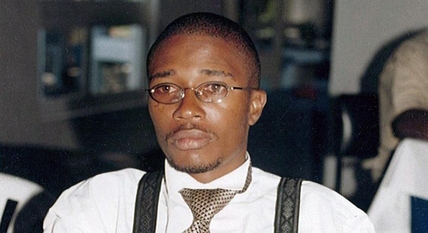
Bl. Floribert Bwana Chui
Bl. Floribert Bwana Chui was born in 1981 in the Democratic Republic of Congo. Most of his life was ordinary. But his life blossomed at 20, when he joined a Catholic lay movement; they challenged him to do great things for Jesus: So he started a small community of young people to serve poor children; he literally took a boy named Jonathan off the streets; he accepted a job as a customs officer, not for himself, but to earn more money to give to the poor. And when he was bribed to receive a shipment of spoiled rice, he said he would rather die than accept the money, which led to his abduction, torture, and murder.
During his beatification in Rome in 2025, his relic was the suit jacket he wore when he died, a reminder that God’s grace can transform ordinary people into witnesses of His perfect love and truth.
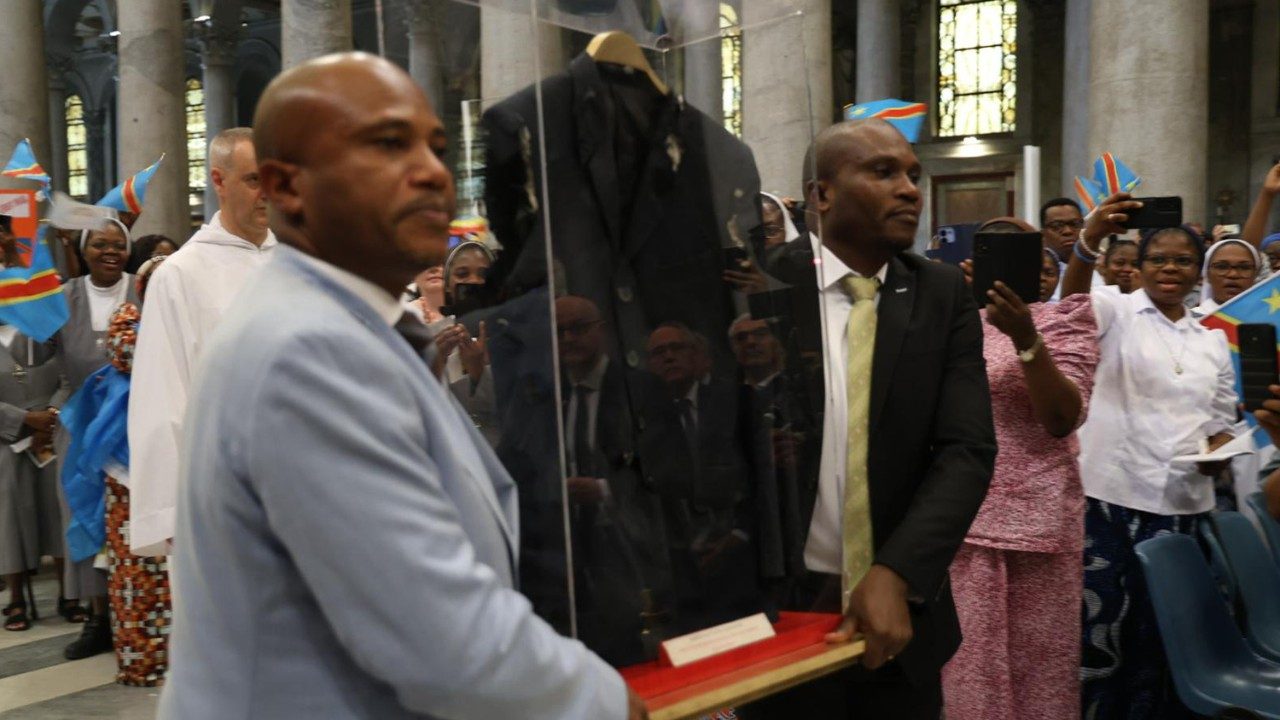
Bl. Floribert’s suit. Source: Vatican News
In three weeks, we’ll ask for a show of hands of who’s placed Jesus at the center of their lives. It’s one of the most important decisions in life, but it’s the beginning of the journey to becoming a saint.
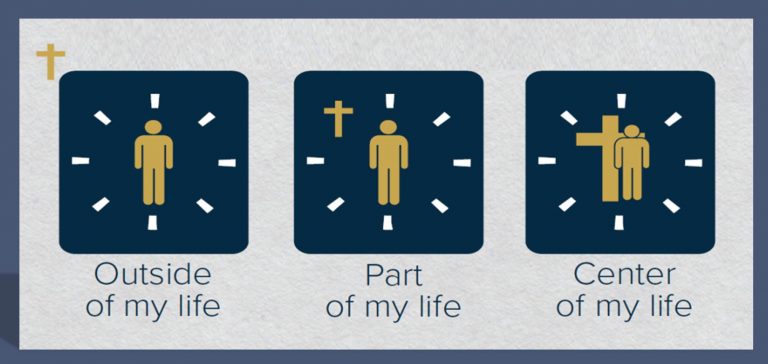
To make this practical, and given that the Reading shows the saints worshipping God, let’s consider the way we love during Mass. During the high point of Mass, the Eucharistic Prayer, I used to zone out because it seemed boring, but, after I fell in love with Jesus, I was taught that it’s more loving to pay attention to the words of this Prayer. Last week, I joked about sleeping during Mass, but, in all seriousness, if you check out during Mass, do the minimum, close your eyes and not engage, you are hurting your relationship with Jesus and your family, because what we do affects the Body of Christ. When we try to love Jesus and the people around us more, we ask: What’s the best way to pray? How should I sing? What’s the right way to use my phone during Mass? How can I love that person next to me, in front of me, behind me? Is it best to come on time? Is it better to leave early? Should I greet people?
If we love well at Mass, that virtue transfers to every part of our lives, and we start trying to do all things well, to the best of our ability. Everyone can, with the Holy Spirit’s help, reach our potential and become a saint.